Fire safety for student living essential

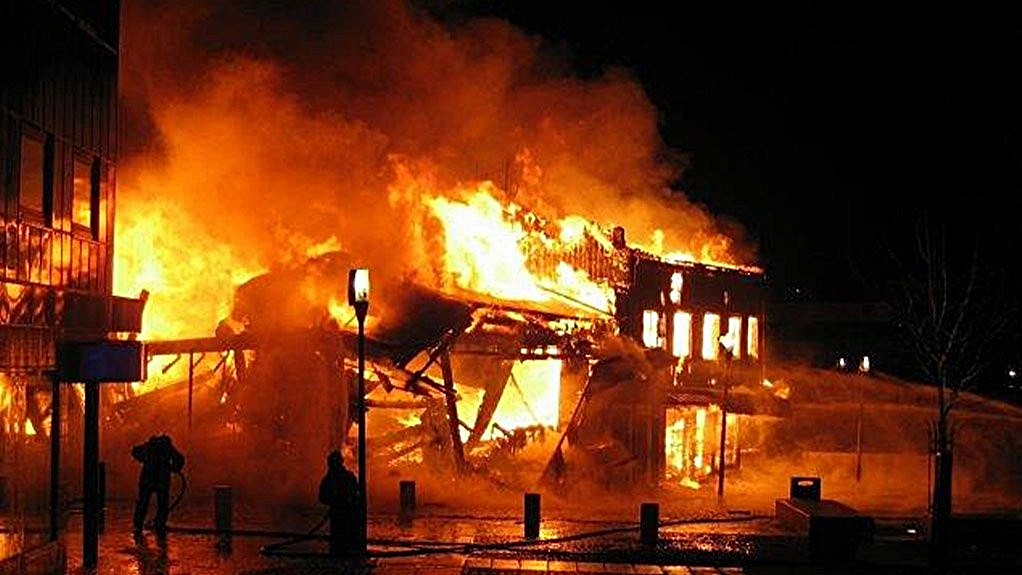
AWARENESS AND TRAINING As resident awareness and training are essential, accommodation managers should conduct regular evacuation drills, ensure that evacuation plans are clearly communicated, maintain visible and accurate signage and educate residents on common fire risks such as cooking and electrical hazards


In high-density student living environments, where large numbers of people share facilities and fire risks are inherently higher, fire safety measures should not be “optional extras” but fundamental safeguards, says ASP Fire.
Often, the results of treating fire safety solutions as ‘one-off’ requirements, rather than an ongoing responsibility, are poorly maintained or untested fire-detection systems with outdated or unclear evacuation plans, insufficient evacuation drills and obstructed escape routes.
“Addressing these gaps requires designing systems in line with South African National Standards from the outset, implementing structured inspection, testing and maintenance schedules and ensuring [that] evacuation plans are clearly communicated and regularly updated,” ASP Fire CEO Michael van Niekerk explains.
In contrast to a compliance-driven approach – which often focuses only on initial installation and certification – ASP Fire’s approach is grounded in a proactive, risk-based framework that focuses on ongoing system performance and reliability.
Such an approach goes beyond meeting the minimum regulatory requirements, as it includes ensuring that buildings and systems are specifically designed for high-occupancy environments, implementing early-detection technologies and ensuring that evacuation plans are regularly executed. It also includes routine inspections and the servicing of all fire protection systems, as well as continuous resident awareness and education.
“Awareness and training are essential components of effective fire prevention. Even the most advanced systems rely on occupants knowing how to respond in an emergency,” Van Niekerk adds.
Accommodation managers should, therefore, maintain visible and accurate signage and educate residents on common fire risks, as clear communication helps to create a safety culture.
Van Niekerk reiterates that fire safety should be integrated into the design phase.
“Early-stage collaboration with fire safety specialists ensures that buildings are not only compliant on paper but are also practical, maintainable and effective in protecting occupants,” he explains.
Ongoing maintenance is crucial, as even well-designed systems can fail if they are not properly maintained. Further, in high- occupancy environments, system reliability is the difference between a controlled incident and a catastrophe.
Meanwhile, smart fire-detection systems and AI-driven analytics are increasingly enhancing fire safety by improving the speed and accuracy of early warning systems, as these technologies reduce false alarms and provide real-time system monitoring.
However, accommodation managers’ tendency to view fire safety as a “compliance exercise” rather than an operational priority may limit investment in more advanced technologies.
Wider adoption, therefore, depends on a shift towards proactive, risk-based fire safety management.
“Ultimately, fire safety will be defined by a holistic, continuously evolving approach that prioritises prevention, preparedness and the preservation of human life,” he concludes.
Article Enquiry
Email Article
Save Article
Feedback
To advertise email advertising@creamermedia.co.za or click here
Research Reports

Projects


Latest Multimedia

Latest News


Showroom

We partner growth of our select clients through our comprehensive and competitive integrated international logistics, trade finance and information...
VISIT SHOWROOM
Complete range of security sealing solutions including security seals bags and labels.
VISIT SHOWROOM



Press Office
Announcements
What's On
Subscribe to improve your user experience...
Option 1 (equivalent of R125 a month):
Receive a weekly copy of Creamer Media's Engineering News & Mining Weekly magazine
(print copy for those in South Africa and e-magazine for those outside of South Africa)
Receive daily email newsletters
Access to full search results
Access archive of magazine back copies
Access to Projects in Progress
Access to ONE Research Report of your choice in PDF format
Option 2 (equivalent of R375 a month):
All benefits from Option 1
PLUS
Access to Creamer Media's Research Channel Africa for ALL Research Reports, in PDF format, on various industrial and mining sectors
including Electricity; Water; Energy Transition; Hydrogen; Roads, Rail and Ports; Coal; Gold; Platinum; Battery Metals; etc.
Already a subscriber?
Forgotten your password?
Receive weekly copy of Creamer Media's Engineering News & Mining Weekly magazine (print copy for those in South Africa and e-magazine for those outside of South Africa)
➕
Recieve daily email newsletters
➕
Access to full search results
➕
Access archive of magazine back copies
➕
Access to Projects in Progress
➕
Access to ONE Research Report of your choice in PDF format
RESEARCH CHANNEL AFRICA
R4500 (equivalent of R375 a month)
SUBSCRIBEAll benefits from Option 1
➕
Access to Creamer Media's Research Channel Africa for ALL Research Reports on various industrial and mining sectors, in PDF format, including on:
Electricity
➕
Water
➕
Energy Transition
➕
Hydrogen
➕
Roads, Rail and Ports
➕
Coal
➕
Gold
➕
Platinum
➕
Battery Metals
➕
etc.
Receive all benefits from Option 1 or Option 2 delivered to numerous people at your company
➕
Multiple User names and Passwords for simultaneous log-ins
➕
Intranet integration access to all in your organisation