Exciting gigawatt-scale projects across Africa, SLR reports


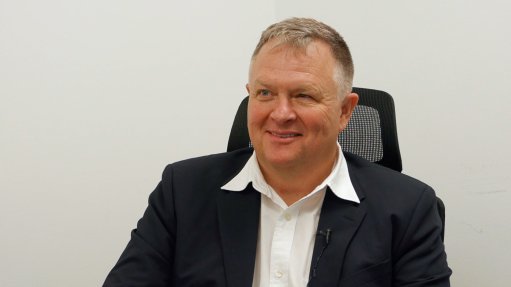
SLR Consulting Power Sector Lead Middle East and Africa Stuart Heather-Clark is interviewed by Engineering News & Mining Weekly’s Martin Creamer.
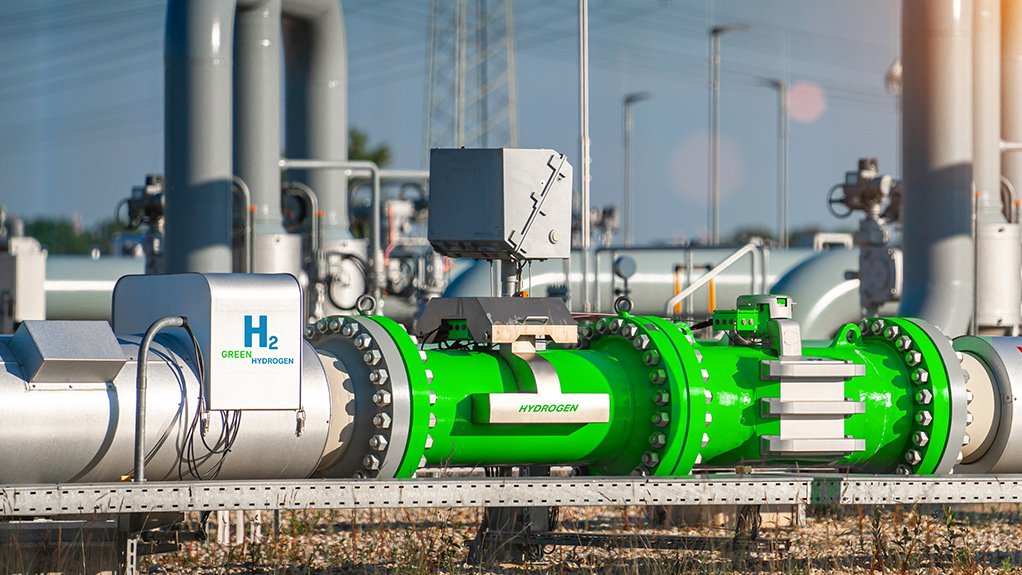
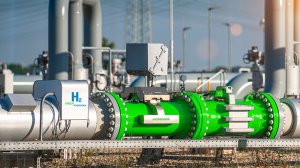
A green hydrogen pipeline distribution unit at an energy facility, forming part of the emerging zero-carbon energy supply chain.
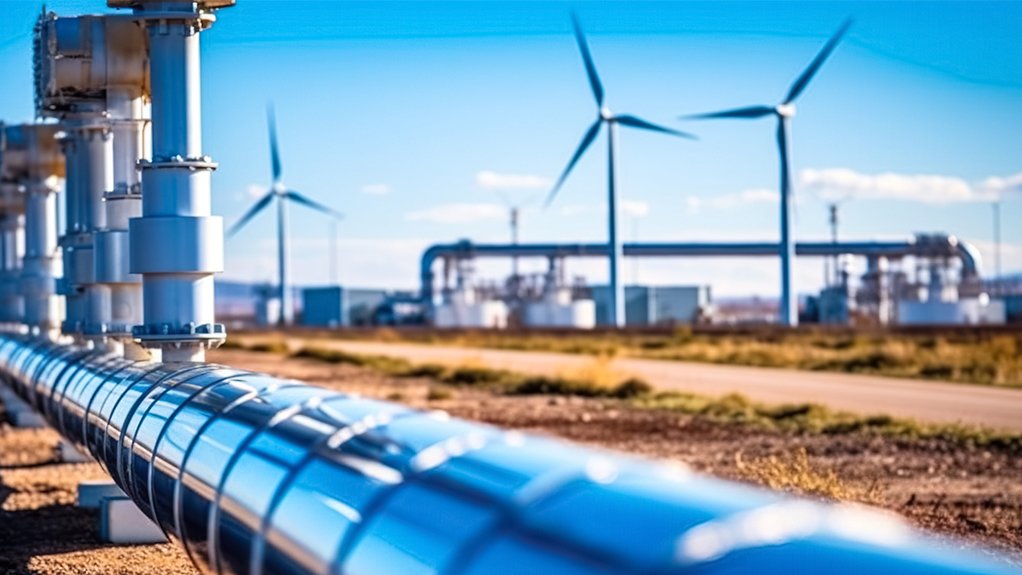
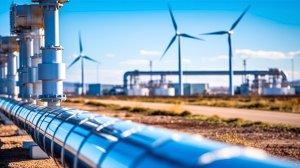
Green hydrogen pipelines and wind energy working in tandem.
Energy investors and developers marking the successful completion of a large-scale infrastructure project.
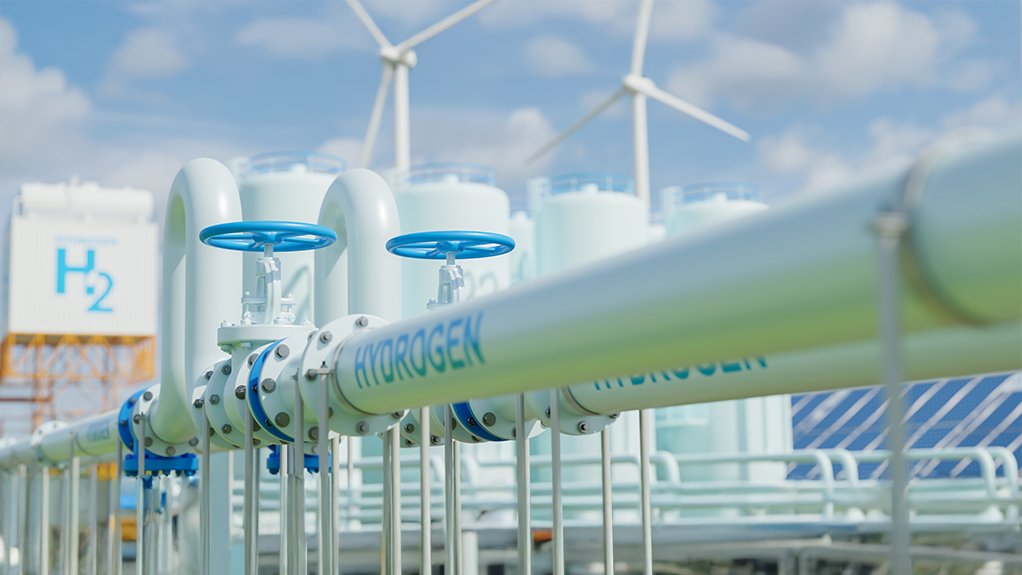
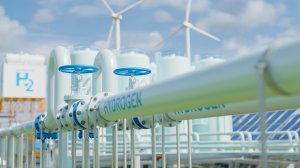
Hydrogen pipeline infrastructure integrated with wind and solar energy generation facilities.
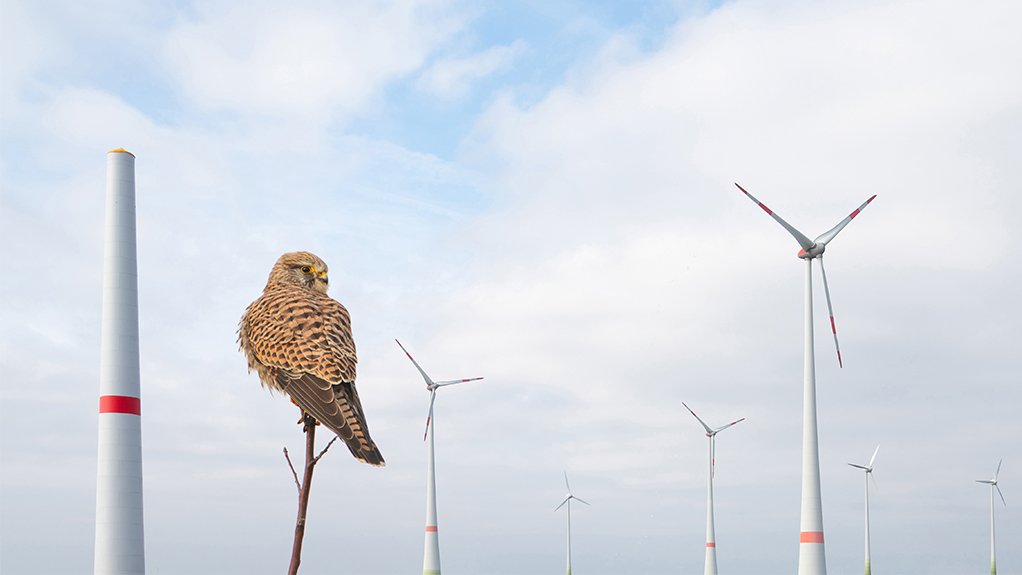
Renewable energy development and wildlife coexistence, underpinning the green hydrogen value chain.

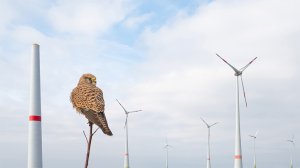


To combat climate change, the world needs green molecules in addition to green electrons.
“If we look how the economy is carbonised, an electron can only decarbonise between 60% to 70% of the economy,” SLR Consulting Power Sector Lead Middle East and Africa Stuart Heather-Clark points out.
Only green molecules can decarbonise the remaining 40% to 30% – and these molecules can be provided in the form of green hydrogen.
Making green steel, for instance, needs green molecules to remove the oxygen from the iron oxide and “instead of throwing a carbon atom in there, you throw in a hydrogen atom, so you’re decarbonising through a chemical process,” Heather-Clark explains.
It is also molecules that are needed to provide safe decarbonised aviation fuel because having heavy batteries in “jumbo jets” is a non-starter.
Land mobility has three options, namely, the electrons that power battery electric vehicles; the molecules that energise fuel cell electric vehicles; or the electron-molecule combination of hybrid vehicles.
With strong steps being taken to lower the relatively high cost of green hydrogen, some developers remain cautious yet interested to invest in large gigawatt-scale hydrogen production projects. Project advancement has slowed, but some investment remains, and SLR is continuing to help clients to derisk and permit these projects and to ensure their sustainability.
Heather-Clark is still of the firm belief that there is space for green hydrogen, with the gigawatt-scale export projects selling green ammonia, a key green hydrogen derivative.
“Of course, there are the naysayers, in terms of the energy balance, saying you put so much energy in to get this molecule. But ultimately that molecule is carbon neutral, it’s carbon free, it’s hydrogen, so still a lot of upside, still a lot of opportunity for South Africa and Africa,” comments Heather-Clark.
However, he holds the view that government, for its part, will have to plan carefully, with less unrealistic optimism around the benefits of hydrogen. It will also need to recognise the harsh reality that hydrogen will probably first have to be exported before domestic hydrogen economies can be created.
Meanwhile, initiatives such as smaller use values are still there for the taking. For example, in sharp contrast to the building of the gigawatt-scale green hydrogen projects that are already under construction in Saudi Arabia, the building of much smaller localised demonstration plants can still work.
“But the large-scale projects are where Africa can benefit. Building gigawatt-scale projects, exporting the product and generating economic value back in Africa, I think is still a good opportunity,” Heather-Clark emphasises.
Africa’s Low-Cost Renewables
Renewables accounts for about 80% of the total cost of producing green hydrogen and what makes Africa a particularly good big project platform is its abundance of wind and sunshine, which results in low-cost renewable energy.
Africa also has the large tracts of land on which to build wind turbines and solar PV plants, while South Africa, in particular, has deep-water ports that can handle the types of ships required for the export of hydrogen in the vector ammonia. Ammonia renders it easier, cheaper, and safer to transport across long distances, leveraging existing industrial infrastructure, and then potentially converting it back to hydrogen at its destination.
Hive Hydrogen has already obtained environmental approval for the construction of a $5.8-billion gigawatt-scale hydrogen-to- ammonia plant within Coega’s special economic zone and is looking at a possible final investment (FID) decision towards the end of this year. The project is targeting the production of 1.2-million tonnes of ammonia a year by 2028/29 and will power a 1.2 GW electrolyser with 3.6 GW of renewable energy.
In Namibia, the very large 7 GW green hydrogen Hyphen project is taking shape within the State-owned Tsau/Khaeb National Park; the Zhero Molecules hydrogen- ammonia initiative has Walvis Bay as its location, and the Hylron Oshivela project is pioneering green iron production near the mining town of Arandis.
SLR has been involved in prefeasibility studies for the gigawatt projects in South Africa, Namibia, Angola, Tunisia, Egypt and Saudi Arabia.
Over the past five or six years, SLR has experienced a shift in language when working on green hydrogen projects moving from megawatts to gigawatts, from thousands of hectares to thousands of square kilometres, and from millions of dollars of investment to billions of dollars of investment.
What has to be borne in mind is that the gigawatt-scale export projects are not only huge, but also complex.
For these projects to get to FID, firm long-term offtake agreements are needed. A lot of technology development is going into how electrolysers are configured, how the price of hydrogen and how the price of the renewable- energy input can be brought down. Once that happens, the move to implementation is expected to go a lot faster.
How Can the Hydrogen Business Be De-Risked?
“We work very closely with our clients to derisk these projects from an environmental and social perspective. Nowadays, environment social impact assessments are linked back to financing. Banks that will invest in these projects, are typically Equator Principles banks, which means you’ve got to do all the environmental work according to International Finance Corporation Performance Standards.
“Then it’s long-term offtake agreements that are needed before any project can really get started. NEOM is the first big gigawatt- scale green hydrogen project to start moving into commissioning, testing and production. While these projects are advancing, there are still challenges, and derisking becomes critical. The infrastructure component, too, is important – shared infrastructure, shared gas pipelines, shared transmission lines, shared desalination plants, shared export port facilities. What’s happening is, with the first movers, it’s quite difficult to look at the financial costs of the infrastructure that has to be oversized for future development. For example, when building in the cost of a port with the first phase of development, the further phases of that port also have to be accommodated, which makes financial feasibility of the projects quite tricky. “Understanding the government’s financial component from a common user infrastructure perspective goes a long way towards de-risking these big and complex projects.”
Article Enquiry
Email Article
Save Article
Feedback
To advertise email advertising@creamermedia.co.za or click here
Research Reports

Projects

Latest Multimedia

Latest News


Showroom

Complete range of security sealing solutions including security seals bags and labels.
VISIT SHOWROOM
ZF Aftermarket is the after-sales division of the world-renowned German ZF group, a global leader in mobility technology.
VISIT SHOWROOM
Press Office
Announcements
What's On
Subscribe to improve your user experience...
Option 1 (equivalent of R125 a month):
Receive a weekly copy of Creamer Media's Engineering News & Mining Weekly magazine
(print copy for those in South Africa and e-magazine for those outside of South Africa)
Receive daily email newsletters
Access to full search results
Access archive of magazine back copies
Access to Projects in Progress
Access to ONE Research Report of your choice in PDF format
Option 2 (equivalent of R375 a month):
All benefits from Option 1
PLUS
Access to Creamer Media's Research Channel Africa for ALL Research Reports, in PDF format, on various industrial and mining sectors
including Electricity; Water; Energy Transition; Hydrogen; Roads, Rail and Ports; Coal; Gold; Platinum; Battery Metals; etc.
Already a subscriber?
Forgotten your password?
Receive weekly copy of Creamer Media's Engineering News & Mining Weekly magazine (print copy for those in South Africa and e-magazine for those outside of South Africa)
➕
Recieve daily email newsletters
➕
Access to full search results
➕
Access archive of magazine back copies
➕
Access to Projects in Progress
➕
Access to ONE Research Report of your choice in PDF format
RESEARCH CHANNEL AFRICA
R4500 (equivalent of R375 a month)
SUBSCRIBEAll benefits from Option 1
➕
Access to Creamer Media's Research Channel Africa for ALL Research Reports on various industrial and mining sectors, in PDF format, including on:
Electricity
➕
Water
➕
Energy Transition
➕
Hydrogen
➕
Roads, Rail and Ports
➕
Coal
➕
Gold
➕
Platinum
➕
Battery Metals
➕
etc.
Receive all benefits from Option 1 or Option 2 delivered to numerous people at your company
➕
Multiple User names and Passwords for simultaneous log-ins
➕
Intranet integration access to all in your organisation