Driver training, behaviour scrutinised as EV adoption accelerates

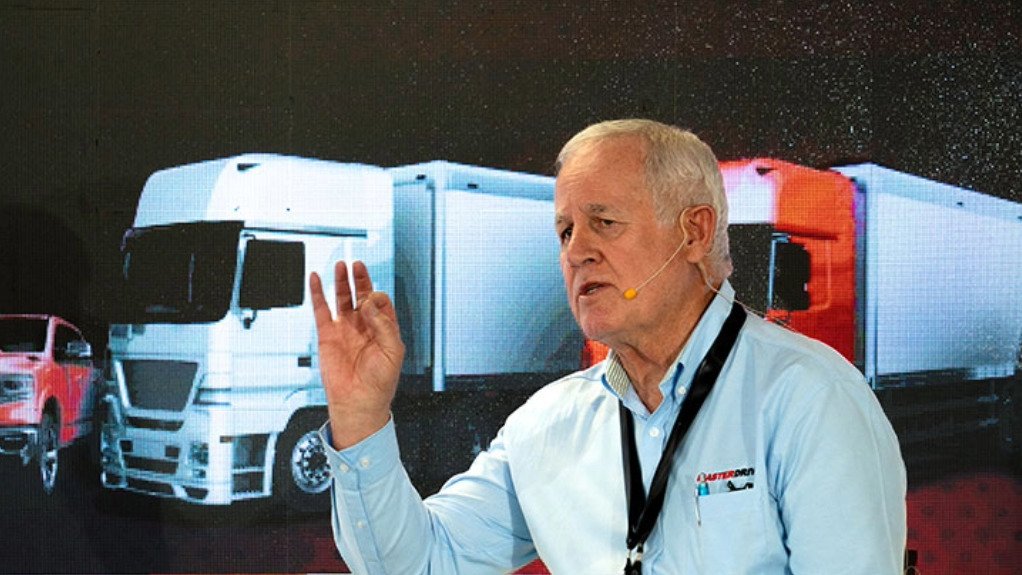


As South Africa's commercial electric vehicle (EV) market begins to gain momentum, fleet operators are being urged to look beyond charging infrastructure and vehicle procurement and also focus on driver behaviour, which is viewed as a less obvious factor that could determine the success of fleet electrification.
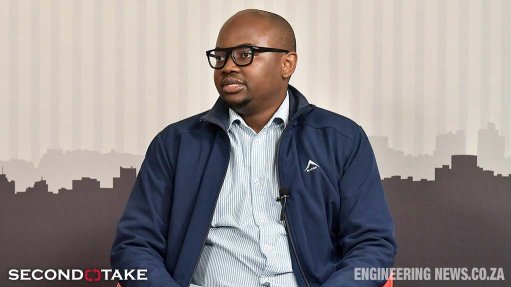
Speaking during the WesBank EVolution 2.0 event, held at The Forum Conference Venue, in Johannesburg, on July 22, advanced driver training and fleet risk management company MasterDrive CEO Eugene Herbert encouraged businesses introducing EVs into their fleets to rethink traditional driver training, arguing that driving habits developed in internal combustion engine (ICE) vehicles often worked against the efficient operation of EVs.
He noted that many organisations assumed that drivers with years of experience required little additional training when transitioning to EVs; however, the different driving characteristics of EVs meant that ICE drivers often had to unlearn established habits before they could maximise the operational and financial benefits of the new technology.
He explained that harsh acceleration, unnecessary braking and poor anticipation reduced energy efficiency and increased operating costs, while the proper use of regenerative braking and smoother driving techniques could significantly improve vehicle range and battery performance.
Rather than viewing EV driver familiarisation as a one-off handover from the original-equipment manufacturer (OEM), Herbert stressed that companies should implement structured driver development programmes that focus on behavioural change, defensive driving principles and efficient vehicle operation.
Moreover, he said that, while OEM training typically introduced drivers to a vehicle's features and controls, it seldom addressed the behavioural changes needed to operate EVs efficiently over the long term.
“The transition to electric mobility also presents a significant change-management challenge, with many drivers experiencing resistance rooted not in the technology itself but in psychology.
“Drivers accustomed to engine noise, gear changes and conventional braking often experienced a loss of familiarity and confidence when moving to EVs, while range anxiety and uncertainty about charging further contributes to resistance,” Herbert noted.
Beyond improving the acceptance of EVs, Herbert also highlighted that driver training also had a direct commercial impact by influencing battery health and vehicle operating costs.
“Aggressive driving and poor charging practices accelerated battery degradation, while inefficient driving reduced vehicle range and potentially affected residual values.
“Given that battery packs represented one of the most expensive components of an EV, protecting battery health should become a strategic fleet-management priority,” Herbert explained.
He added that telematics systems should also be used proactively rather than simply recording poor driving behaviour after incidents had occurred.
The discussion also highlighted safety considerations associated with growing EV adoption, where Herbert also cautioned fleet operators to ensure that drivers understood the correct procedures following an EV collision, particularly where high-voltage systems or battery fires were involved.
He noted that emergency responders required specialised equipment and training to deal with EV-related incidents, making driver awareness and appropriate emergency protocols increasingly important as electric fleets expanded.
Herbert further argued that demonstrating proactive driver training and risk management could ultimately strengthen discussions with insurers as the commercial EV market matured.
Although insurers were still building actuarial datasets for EVs, organisations that could demonstrate lower risk through structured driver development programmes could benefit as insurance products evolved, he noted.
Despite the challenges, Herbert maintained that driver development represented one of the quickest opportunities for companies to improve returns on their EV investments.
Article Enquiry
Email Article
Save Article
Feedback
To advertise email advertising@creamermedia.co.za or click here
Research Reports

Projects


Latest Multimedia
Latest News


Showroom
Tsurumi Pumps Africa is a specialist supplier of Japanese-engineered submersible pumping solutions, serving customers across the African continent.
VISIT SHOWROOM
AirNox (Pty) Ltd is a level 1 BBBEE manufacturer of complete AdBlue® solutions for operators of SCR diesel engines and AUS40 across South Africa...
VISIT SHOWROOM

Press Office
Announcements
What's On
Subscribe to improve your user experience...
Option 1 (equivalent of R125 a month):
Receive a weekly copy of Creamer Media's Engineering News & Mining Weekly magazine
(print copy for those in South Africa and e-magazine for those outside of South Africa)
Receive daily email newsletters
Access to full search results
Access archive of magazine back copies
Access to Projects in Progress
Access to ONE Research Report of your choice in PDF format
Option 2 (equivalent of R375 a month):
All benefits from Option 1
PLUS
Access to Creamer Media's Research Channel Africa for ALL Research Reports, in PDF format, on various industrial and mining sectors
including Electricity; Water; Energy Transition; Hydrogen; Roads, Rail and Ports; Coal; Gold; Platinum; Battery Metals; etc.
Already a subscriber?
Forgotten your password?
Receive weekly copy of Creamer Media's Engineering News & Mining Weekly magazine (print copy for those in South Africa and e-magazine for those outside of South Africa)
➕
Recieve daily email newsletters
➕
Access to full search results
➕
Access archive of magazine back copies
➕
Access to Projects in Progress
➕
Access to ONE Research Report of your choice in PDF format
RESEARCH CHANNEL AFRICA
R4500 (equivalent of R375 a month)
SUBSCRIBEAll benefits from Option 1
➕
Access to Creamer Media's Research Channel Africa for ALL Research Reports on various industrial and mining sectors, in PDF format, including on:
Electricity
➕
Water
➕
Energy Transition
➕
Hydrogen
➕
Roads, Rail and Ports
➕
Coal
➕
Gold
➕
Platinum
➕
Battery Metals
➕
etc.
Receive all benefits from Option 1 or Option 2 delivered to numerous people at your company
➕
Multiple User names and Passwords for simultaneous log-ins
➕
Intranet integration access to all in your organisation