Menar Ports & Rail Sees Rail Reform as Key to Expanding South Africa's Logistics Capacity

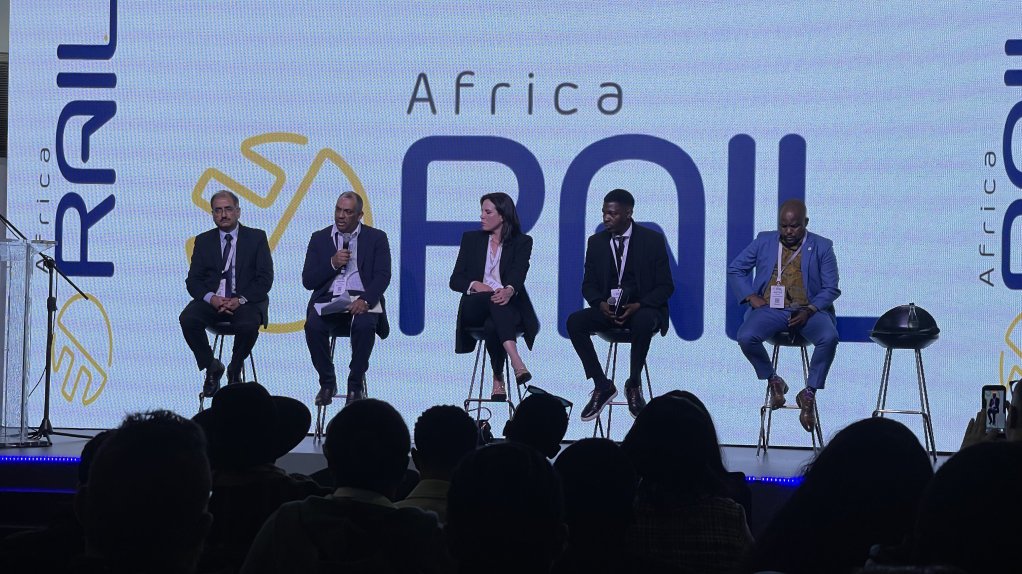
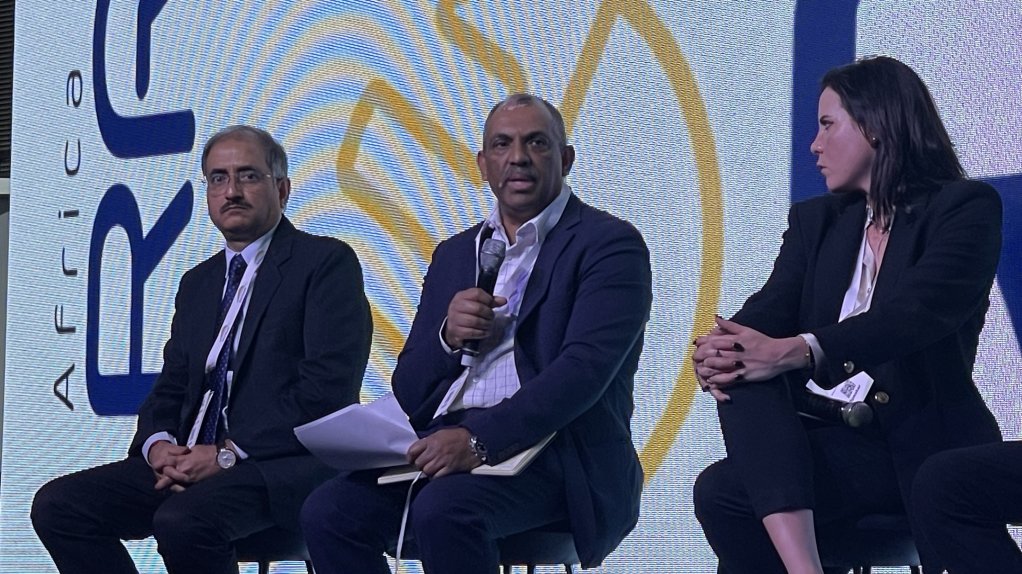
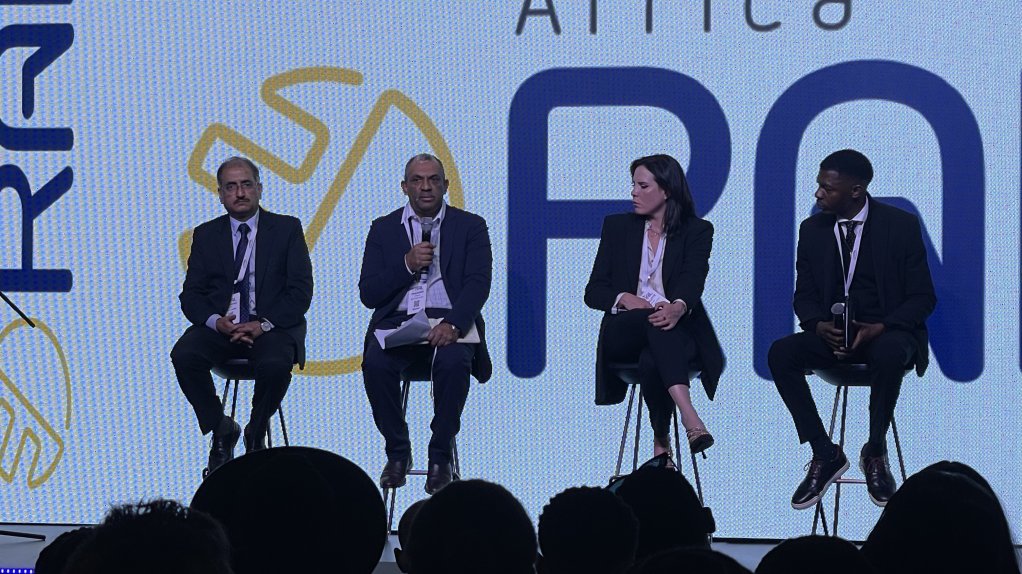
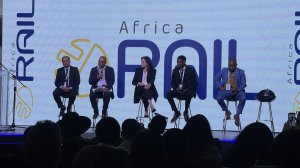
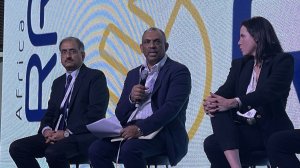
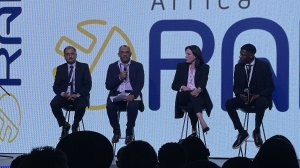


Menar Ports & Rail (MPR) has stressed the importance of practical rail modernisation, efficient maintenance practices and skills development as key enablers of South Africa's rail recovery and long-term industrial growth
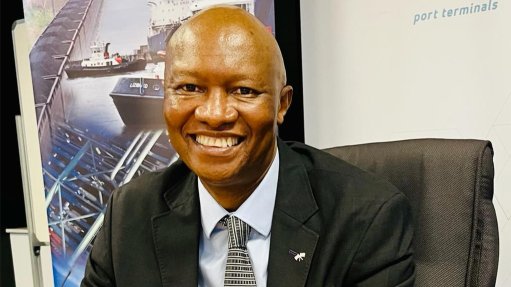
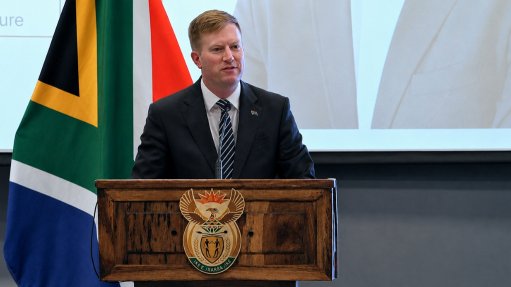
MPR Head Pragasen Pillay participated in panel discussions on Developing Modern Train Systems at the Africa Rail Conference held in Johannesburg.
Pillay said a reliable rail system is central in improving South Africa's competitiveness in global supply chains.
"Affordable and efficient logistics are critical to the sustainability of mines and manufacturers. As South Africa seeks to grow exports and reindustrialise, we need rail solutions that improve competitiveness and lower the cost of moving goods to market," he said.
As a newly established Train Operating Company (TOC), MPR's objective through partnering with Transnet and other industry participants is to complement South Africa's existing rail capacity and contribute to the development of a more efficient freight logistics system.
Pillay emphasised that MPR's role is not to compete with Transnet, but to support ongoing rail reform efforts and help increase the country's overall freight capacity and competitiveness.
"By improving capacity and efficiency across the rail system, we can better position the country to compete in global supply chains and support growth in mining, manufacturing and exports," said Pillay.
Addressing the future of rail operations, Pillay highlighted the benefits of modern train systems, noting that electric locomotives offer significant long-term cost advantages compared to diesel alternatives due to lower operating costs over their lifecycle.
He also called for a balanced and practical approach to rail modernisation.
"Africa's railway infrastructure was largely developed decades ago. While investment in new technology remains important, we must also focus on getting more value from the assets and infrastructure we already have. The challenge is not simply to build new capacity, but to utilise existing capacity more effectively while steadily improving and modernising the network," Pillay said.
He emphasised the need for the industry to move from reactive maintenance to predictive maintenance models supported by technology and data.
"Modern depots should be able to identify potential issues before failures occur. Remote diagnostics, data analytics and effective maintenance planning all contribute to reducing downtime and returning locomotives to service more quickly," he said.
However, Pillay stressed that technology alone would not deliver the desired outcomes.
"We should not focus only on technology. At the heart of every successful depot are the people who operate and maintain the assets. The rail sector must invest in developing the next generation of engineers, technicians, artisans and technical support staff if we want to create lasting value, sustainability and support long-term growth"
Modern depot design should ensure locomotives and wagons spend less time in workshops and more time on the rail network, supported by appropriately trained personnel, effective maintenance regimes and access to the right tools and equipment.
"Poor maintenance affects the entire value chain. Reduced locomotive availability increases logistics costs, impacts productivity and ultimately affects the competitiveness of industries such as mining and manufacturing. Maintenance facilities should enhance operational efficiency, not become a source of delays."
While advances in technology continue to shape the future of rail, Pillay argued that cost-effective upgrades of existing maintenance facilities should remain a priority.
"Many of the depots already in operation were built to last. In many cases, modernising existing facilities represents a more practical and cost-effective approach than building entirely new infrastructure."
Modern Depots should transition to reliability centres and not remain repair workshops
In closing, Pillay highlighted the importance of collaboration across the rail ecosystem, particularly between operators and original equipment manufacturers (OEMs).
"OEMs provide access to advanced technologies, while operators contribute operational expertise. Through collaboration and skills transfer, we can develop local capabilities that support sustainable rail operations and help position South Africa's logistics sector for long-term success."
Article Enquiry
Email Article
Save Article
Feedback
To advertise email advertising@creamermedia.co.za or click here
Research Reports

Projects
Latest Multimedia

Latest News
Showroom
We partner growth of our select clients through our comprehensive and competitive integrated international logistics, trade finance and information...
VISIT SHOWROOM
Established in 1933, EKATO is the world leader in agitation technology, supplying agitators for processes and applications such as chemicals and...
VISIT SHOWROOM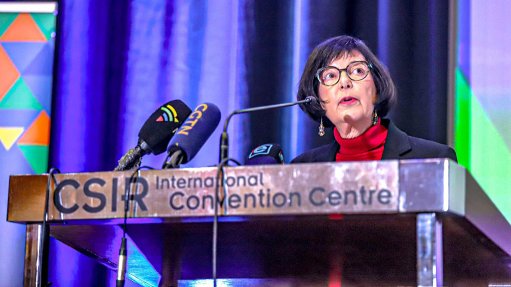
Press Office
Announcements
What's On
Subscribe to improve your user experience...
Option 1 (equivalent of R125 a month):
Receive a weekly copy of Creamer Media's Engineering News & Mining Weekly magazine
(print copy for those in South Africa and e-magazine for those outside of South Africa)
Receive daily email newsletters
Access to full search results
Access archive of magazine back copies
Access to Projects in Progress
Access to ONE Research Report of your choice in PDF format
Option 2 (equivalent of R375 a month):
All benefits from Option 1
PLUS
Access to Creamer Media's Research Channel Africa for ALL Research Reports, in PDF format, on various industrial and mining sectors
including Electricity; Water; Energy Transition; Hydrogen; Roads, Rail and Ports; Coal; Gold; Platinum; Battery Metals; etc.
Already a subscriber?
Forgotten your password?
Receive weekly copy of Creamer Media's Engineering News & Mining Weekly magazine (print copy for those in South Africa and e-magazine for those outside of South Africa)
➕
Recieve daily email newsletters
➕
Access to full search results
➕
Access archive of magazine back copies
➕
Access to Projects in Progress
➕
Access to ONE Research Report of your choice in PDF format
RESEARCH CHANNEL AFRICA
R4500 (equivalent of R375 a month)
SUBSCRIBEAll benefits from Option 1
➕
Access to Creamer Media's Research Channel Africa for ALL Research Reports on various industrial and mining sectors, in PDF format, including on:
Electricity
➕
Water
➕
Energy Transition
➕
Hydrogen
➕
Roads, Rail and Ports
➕
Coal
➕
Gold
➕
Platinum
➕
Battery Metals
➕
etc.
Receive all benefits from Option 1 or Option 2 delivered to numerous people at your company
➕
Multiple User names and Passwords for simultaneous log-ins
➕
Intranet integration access to all in your organisation