Airtight buildings heighten moisture control challenges

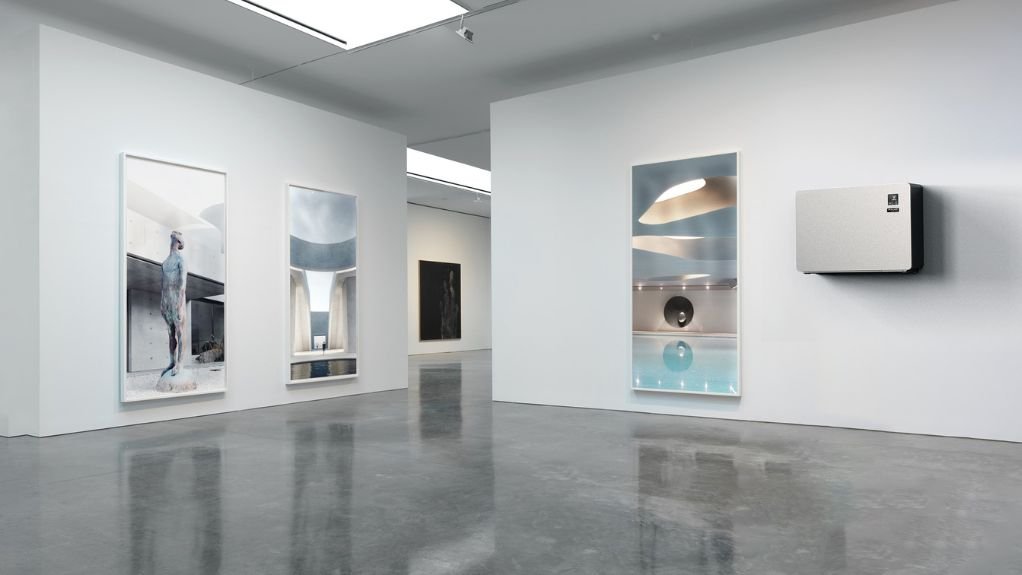
PERSISTENT MOISTURE Persistent moisture can lead to corrosion, surface degradation and higher maintenance requirements, particularly in consistently humid conditions



Increasing airtightness in modern buildings is creating a growing moisture management risk that is not always addressed in design, says air treatment technology specialist Solenco.
Buildings are becoming more energy efficient and tightly sealed to reduce energy loss and improve climate control. However, this limits natural airflow, which has historically assisted with moisture management, notes Solenco commercial sales manager Wynand Deyzel.
Green building standards are driving tighter building envelopes and improved insulation, with older buildings being retrofitted to improve energy performance. However, coastal regions, such as parts of the Western Cape and KwaZulu-Natal, continue to experience high ambient humidity, and all of these ‘green’ improvements are being undertaken without fully considering moisture behaviour in sealed environments, says Deyzel.
This has resulted in a mismatch between temperature and moisture control.
While buildings may feel cool, often they still retain high humidity levels, which can affect materials, finishes and equipment over time. Persistent moisture can lead to corrosion, surface degradation and higher maintenance requirements, particularly in consistently humid conditions.
Deyzel stresses that moisture control must become a design consideration.
He explains that standard heating, ventilation and air conditioning (HVAC) designs do not fully address moisture, even while ventilation and acceptable indoor air quality standards, such as ASHRAE 62.2, set minimum requirements. These standards recognise that natural airflow is no longer sufficient in tightly sealed structures, but ventilation does not actively control humidity, particularly in humid climates.
Air-conditioning systems remove some moisture during cooling but are not designed to control humidity directly, as they operate based on temperature settings. By contrast, Deyzel says that dehumidifiers are designed to regulate moisture independently of temperature, making the two systems more effective when used together.
This is leading to increased use of integrated dehumidification systems, which are being specified to maintain stable indoor conditions, reduce strain on HVAC systems and support long-term asset performance.
For developers and facility operators, this applies to both new builds and retrofits. Ceiling-mounted, inverter-driven systems can be included in design plans or added to existing buildings to manage humidity consistently without affecting aesthetics or energy performance.
As buildings become more efficient, Deyzel states that moisture management is shifting from a passive outcome of ventilation to an active design requirement that will influence building performance over time.
Article Enquiry
Email Article
Save Article
Feedback
To advertise email advertising@creamermedia.co.za or click here
Research Reports

Projects


Latest Multimedia


Latest News


Showroom

Developed to exceed the latest EN 15964 standards for police breathalysers proving that it will remain accurate and reliable for many years to come.
VISIT SHOWROOM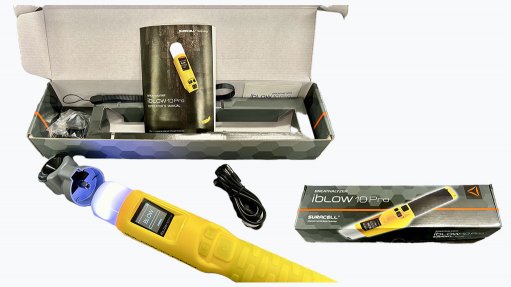
Supplier & Distributor of the Widest Range of Accurate & Easy-to-Use Alcohol Breathalysers
VISIT SHOWROOM



Press Office
Announcements
What's On
Subscribe to improve your user experience...
Option 1 (equivalent of R125 a month):
Receive a weekly copy of Creamer Media's Engineering News & Mining Weekly magazine
(print copy for those in South Africa and e-magazine for those outside of South Africa)
Receive daily email newsletters
Access to full search results
Access archive of magazine back copies
Access to Projects in Progress
Access to ONE Research Report of your choice in PDF format
Option 2 (equivalent of R375 a month):
All benefits from Option 1
PLUS
Access to Creamer Media's Research Channel Africa for ALL Research Reports, in PDF format, on various industrial and mining sectors
including Electricity; Water; Energy Transition; Hydrogen; Roads, Rail and Ports; Coal; Gold; Platinum; Battery Metals; etc.
Already a subscriber?
Forgotten your password?
Receive weekly copy of Creamer Media's Engineering News & Mining Weekly magazine (print copy for those in South Africa and e-magazine for those outside of South Africa)
➕
Recieve daily email newsletters
➕
Access to full search results
➕
Access archive of magazine back copies
➕
Access to Projects in Progress
➕
Access to ONE Research Report of your choice in PDF format
RESEARCH CHANNEL AFRICA
R4500 (equivalent of R375 a month)
SUBSCRIBEAll benefits from Option 1
➕
Access to Creamer Media's Research Channel Africa for ALL Research Reports on various industrial and mining sectors, in PDF format, including on:
Electricity
➕
Water
➕
Energy Transition
➕
Hydrogen
➕
Roads, Rail and Ports
➕
Coal
➕
Gold
➕
Platinum
➕
Battery Metals
➕
etc.
Receive all benefits from Option 1 or Option 2 delivered to numerous people at your company
➕
Multiple User names and Passwords for simultaneous log-ins
➕
Intranet integration access to all in your organisation