Urine-based system targets nutrient recovery

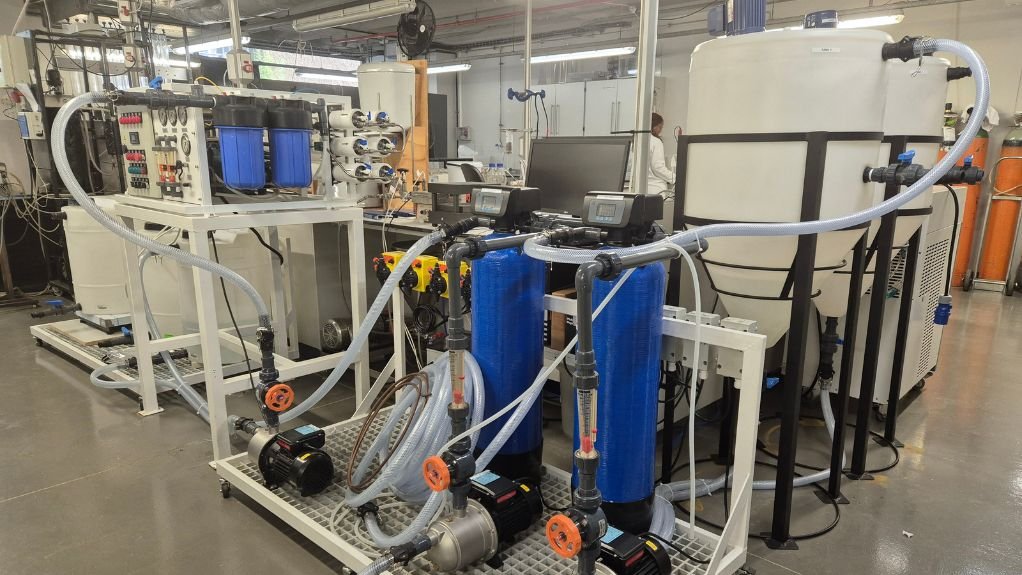
ENVIRONMENTAL BENEFITS The system delivers environmental benefits by eliminating the need for drinking water in operations and enabling full water recycling
ENGINEERING INNOVATION Peecycling was shortlisted for the 2026 Royal Academy of Engineering’s Africa Prize for Engineering Innovation


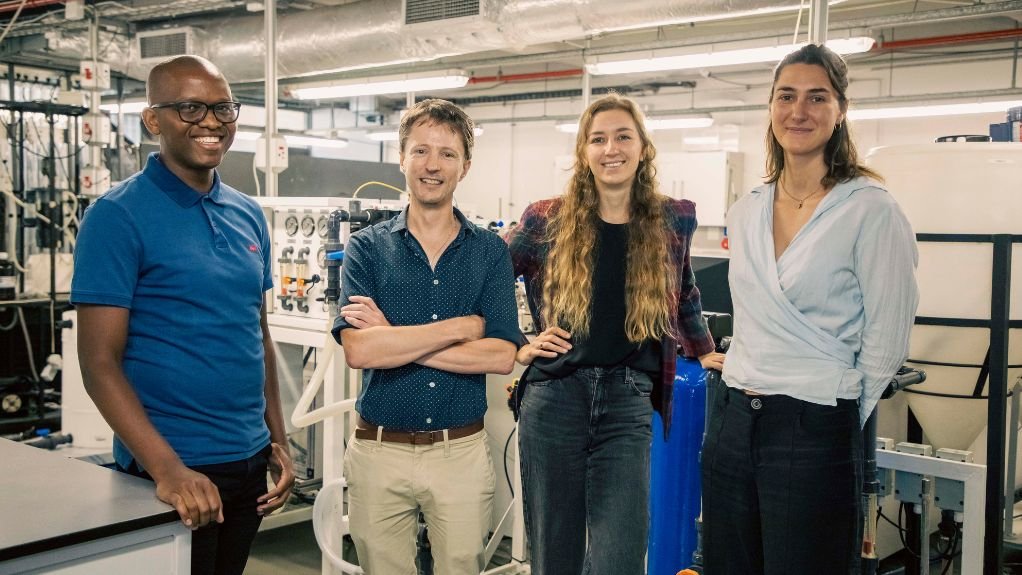
Urine beneficiation startup PeeCycling is advancing a decentralised fertiliser production model that recovers nutrients and water from human urine, offering a climate-resilient solution for agriculture. PeeCycling was shortlisted for the 2026 Royal Academy of Engineering’s Africa Prize for Engineering Innovation.
PeeCycling co-founder and University of Cape Town’s Professor Dyllon Randall explains that the process begins with the collection of urine that has not been diluted with flush water, using urinals or no-mix toilets in buildings and at events or stadiums.
The urine is first treated with a chemical to prevent urea from breaking down into ammonia gas, which would otherwise result in nitrogen losses.
“After pretreatment to remove interfering components, reverse osmosis (RO) is used to separate water from the liquid. Since urine is about 95% water, this method is the most efficient for extraction.”
He adds that the treatment stages also eliminate pathogens and harmful compounds, producing a safe, concentrated fertiliser and a reusable water stream.
Regarding system optimisation, Randall says current units incorporate sensors to manage nutrient recovery, and the aim for future systems is to achieve full automation with remote monitoring, thereby allowing for consistent fertiliser quality and improved efficiency without constant human supervision.
Water Recovery
Conventional sanitation systems use significant volumes of drinking water and can fail when supply is constrained. PeeCycling’s system is designed to be water neutral, currently recovering about 70% of the water from urine, with newer systems targeting up to 85%.
“The recovered water can be reused for flushing, allowing full recycling where water was initially used, which enhances resilience in drought-prone regions,” Randall adds.
In terms of agricultural application, he says although urine represents only 1% of municipal wastewater by volume, it contains over 80% of nitrogen, 70% of potassium and 50% of phosphorus.
The PeeCycling process captures these nutrients, producing a liquid fertiliser that matches commercial fertilisers in performance and yield; the product can be applied through existing irrigation systems, returning nutrients to the soil.
Randall adds that scalability is facilitated using RO, as increasing system capacity requires the addition of more membranes.
“Unit costs decrease as plant size increases and the global availability of RO components supports deployment in multiple regions,” he notes, adding that this would enable large buildings and venues to effectively operate as local fertiliser production sites.
Accessibility
Randall says the system is most effective at scale, where large volumes of urine can be collected. Smallholder farmers are, therefore, more likely to benefit from access to locally produced fertiliser rather than installing their own systems.
However, partnerships with large-scale collectors could support steady and affordable nutrient supply within local communities.
“The system delivers environmental benefits by eliminating the use of drinking water in production processes and enabling full water recycling. Local nutrient recovery reduces disruption to natural nitrogen and phosphorus cycles and lowers carbon emissions, as the resulting fertiliser product is neither synthetically produced nor imported.”
With global reliance on synthetic urea presenting risks to food security, localised fertiliser production from urine offers a more sustainable and resilient alternative, he concludes.
Article Enquiry
Email Article
Save Article
Feedback
To advertise email advertising@creamermedia.co.za or click here
Research Reports
Projects


Latest Multimedia

Latest News

Showroom
Rentech provides renewable energy products and services to the local and selected African markets. Supplying inverters, lithium and lead-acid...
VISIT SHOWROOM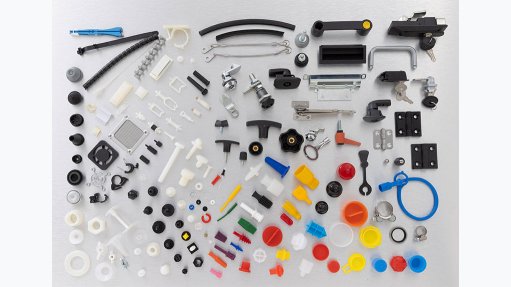
We are responsible manufacturers of essential components. Manufacturing 80 million parts a week, we have over 1 billion parts in stock.
VISIT SHOWROOM



Press Office
Announcements
What's On
Subscribe to improve your user experience...
Option 1 (equivalent of R125 a month):
Receive a weekly copy of Creamer Media's Engineering News & Mining Weekly magazine
(print copy for those in South Africa and e-magazine for those outside of South Africa)
Receive daily email newsletters
Access to full search results
Access archive of magazine back copies
Access to Projects in Progress
Access to ONE Research Report of your choice in PDF format
Option 2 (equivalent of R375 a month):
All benefits from Option 1
PLUS
Access to Creamer Media's Research Channel Africa for ALL Research Reports, in PDF format, on various industrial and mining sectors
including Electricity; Water; Energy Transition; Hydrogen; Roads, Rail and Ports; Coal; Gold; Platinum; Battery Metals; etc.
Already a subscriber?
Forgotten your password?
Receive weekly copy of Creamer Media's Engineering News & Mining Weekly magazine (print copy for those in South Africa and e-magazine for those outside of South Africa)
➕
Recieve daily email newsletters
➕
Access to full search results
➕
Access archive of magazine back copies
➕
Access to Projects in Progress
➕
Access to ONE Research Report of your choice in PDF format
RESEARCH CHANNEL AFRICA
R4500 (equivalent of R375 a month)
SUBSCRIBEAll benefits from Option 1
➕
Access to Creamer Media's Research Channel Africa for ALL Research Reports on various industrial and mining sectors, in PDF format, including on:
Electricity
➕
Water
➕
Energy Transition
➕
Hydrogen
➕
Roads, Rail and Ports
➕
Coal
➕
Gold
➕
Platinum
➕
Battery Metals
➕
etc.
Receive all benefits from Option 1 or Option 2 delivered to numerous people at your company
➕
Multiple User names and Passwords for simultaneous log-ins
➕
Intranet integration access to all in your organisation