
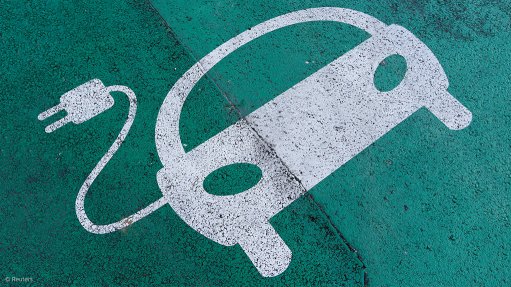
The International Energy Agency (IEA) expects electric vehicle (EV) sales to rise to a record 17-million in 2024, representing more than one in every five passenger cars sold, but with sales likely to remain highly concentrated in the Chinese,...
Latest
sponsored by
Latest News
Sponsored Posts


SPONSORED POST
Latest Multimedia
sponsored by
Receive our free daily newsletter:
Latest News

Mobility company Michelin in South Africa has appointed Amaury Vadon as its new sub-Saharan Africa MD, effective April 1. Originally from France, Vadon brings considerable experience and a proven...
Innovate UK, Britain’s national innovation agency, has, in a new report, highlighted that Africa is becoming a hub for globally competitive space technology, development and research. In...
The Foundation L’Oréal announced on Monday that the sixth edition of the Women in Science Young Talent Search had been launched in South Africa. This initiative is a partnership between the...
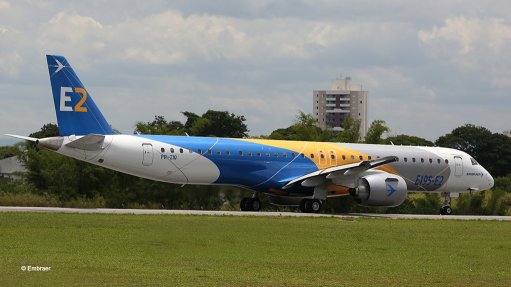
Brazil-based global major aerospace group Embraer – the world’s number three maker of jet airliners – has released its deliveries and order backlog report for the first quarter of this year (1Q24)....
Communications group Cell C has appointed Bryan O'Donovan as chief data and analytics officer, effective May 2024. He will be responsible for spearheading the management of the organisation's data...
Sponsored Posts


SPONSORED POST

Latest News
Copper production increasing by 11% as Quellaveco achieved its highest plant throughput rate in Peru, while Collahuasi and El Soldado in Chile benefitting from higher copper grades were among the...

Zambia's State-owned electricity utility Zesco said on Monday it is seeking to import power to avert an energy deficit that could affect output in Africa's second-largest copper producer. The...
Diversified mining company Anglo American is taking steps to help to restore an Amazon rainforest equivalent of which less than 10% remains intact. The Mata Atlántica carbon forest is located near...

A research team tasked to monitor the impact of the El Niño Southern Oscillation (ENSO) climatic phenomenon has confirmed that the 2023/24 El Niño was among the top five strongest on record. El...

The richness of South Africa’s copper assets were emphasised on Monday when Northern Cape mine developer and explorer Orion Minerals published a standout intercept that sent its shares rocketing up...
Sponsored Posts

SPONSORED POST
Latest News
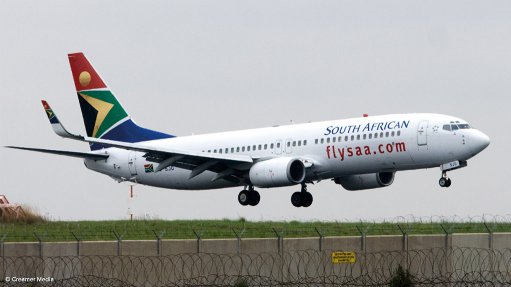
South Africa is seeking potential minority investors and access to capital markets and loan financing for South African Airways (SAA) for more rapid expansion, following the collapse of a previous...
The Utilities for Net Zero Alliance (Uneza) has adopted a roadmap to 2030, targeting a total increase of renewable energy capacity within their portfolios to 749 GW by 2030, an increase of 2.5...
Philanthropy organisation the Bill and Melinda Gates Foundation and development finance institution the European Investment Bank (EIB) have launched a €30-million microfinance programme for women...
A South African research group has reported that the 2023/24 El Niño phenomenon was the fourth strongest yet recorded, and that it had a noticeable impact on South Africa. The research team,...
Almost half, or 49%, of small and medium-sized enterprise (SME) business owners who responded to the Fourth Quarter 2023 SME Confidence Index by specialist SME financier Business Partners said they...
Sector News
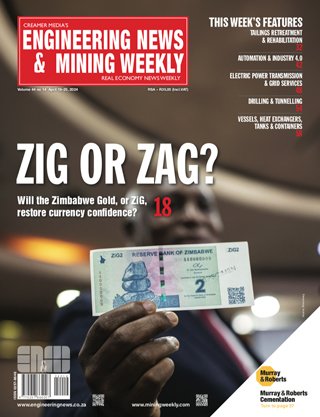
A video round up of this week’s magazine, highlighting our cover story, features and Business Leader.
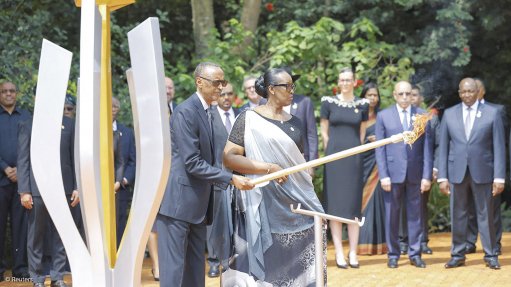
Rwandan President Paul Kagame and First Lady Jeanette Kagame, preparing to light the Rwandan genocide flame of hope, known as the ‘Kwibuka’ (Remembering), to commemorate the 1994 Genocide at the...
- Engineering News Features
- Automation & Industry 4.0
- Electric Power Generation & Transmission
- Vessels, Heat Exchangers, Tanks & Containers
- Mining Weekly Features
- Drilling & Tunnelling
- Tailings & Waste Management
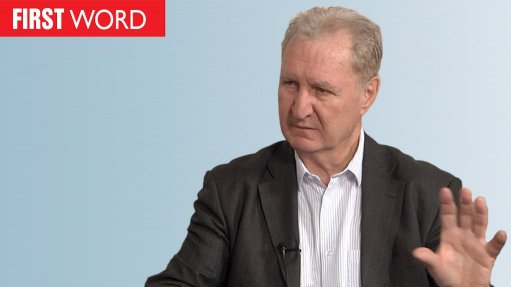
The disbanded South African mining industry’s research and development (R&D) arm Comro handed South Africa’s State-owned Council for Scientific and Industrial Research (CSIR) the mining R&D it had...
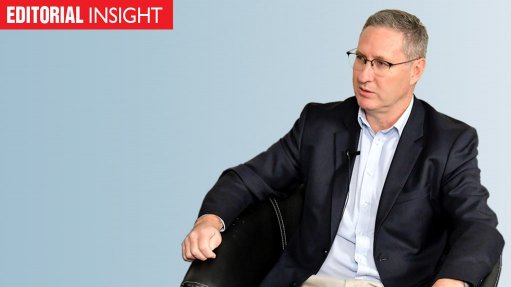
The recent period of decreased loadshedding has been met with tremendous scepticism by a South African public who have been burnt more times over the past 15-plus years than a lump of wet coal....
Business Leader

This we profile Rhian Capostagno, a partner at Partners in Performance, a firm of management consultants
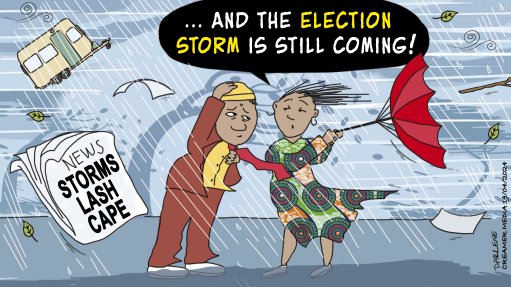
The storms that lashed the Cape earlier this month caused devastating damage, with many still picking up the pieces. One can only hope that the coming election storm is far more benign, but some of...
Showroom
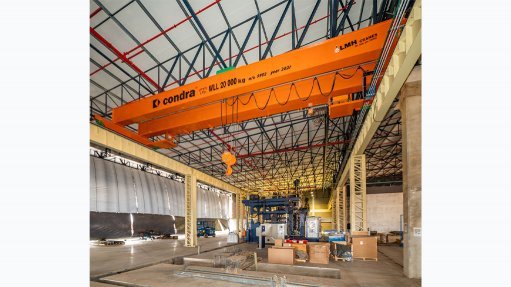
ISO-certified Condra manufactures overhead cranes, portal cranes, cantilever cranes and crane components: hoists, drives, end-carriages, brakes and...
VISIT SHOWROOM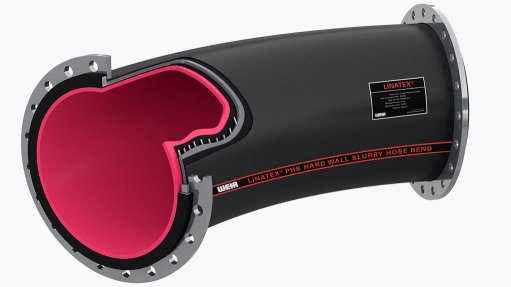
Weir Minerals Europe, Middle East and Africa is a global supplier of excellent minerals solutions, including pumps, valves, hydrocyclones,...
VISIT SHOWROOM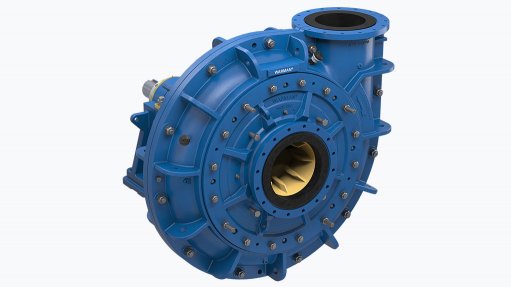
Weir Minerals Europe, Middle East and Africa is a global supplier of excellent minerals solutions, including pumps, valves, hydrocyclones,...
VISIT SHOWROOM
FlameBlock is a proudly South African company that engineers, manufactures and supplies fire intumescent and retardant products to the fire...
VISIT SHOWROOMResearch Reports
Projects

Latest Videos
Latest News

Announcements
What's On
Subscribe to improve your user experience...
Option 1 (equivalent of R125 a month):
Receive a weekly copy of Creamer Media's Engineering News & Mining Weekly magazine
(print copy for those in South Africa and e-magazine for those outside of South Africa)
Receive daily email newsletters
Access to full search results
Access archive of magazine back copies
Access to Projects in Progress
Access to ONE Research Report of your choice in PDF format
Option 2 (equivalent of R375 a month):
All benefits from Option 1
PLUS
Access to Creamer Media's Research Channel Africa for ALL Research Reports, in PDF format, on various industrial and mining sectors
including Electricity; Water; Energy Transition; Hydrogen; Roads, Rail and Ports; Coal; Gold; Platinum; Battery Metals; etc.
Already a subscriber?
Forgotten your password?
Receive weekly copy of Creamer Media's Engineering News & Mining Weekly magazine (print copy for those in South Africa and e-magazine for those outside of South Africa)
➕
Recieve daily email newsletters
➕
Access to full search results
➕
Access archive of magazine back copies
➕
Access to Projects in Progress
➕
Access to ONE Research Report of your choice in PDF format
RESEARCH CHANNEL AFRICA
R4500 (equivalent of R375 a month)
SUBSCRIBEAll benefits from Option 1
➕
Access to Creamer Media's Research Channel Africa for ALL Research Reports on various industrial and mining sectors, in PDF format, including on:
Electricity
➕
Water
➕
Energy Transition
➕
Hydrogen
➕
Roads, Rail and Ports
➕
Coal
➕
Gold
➕
Platinum
➕
Battery Metals
➕
etc.
Receive all benefits from Option 1 or Option 2 delivered to numerous people at your company
➕
Multiple User names and Passwords for simultaneous log-ins
➕
Intranet integration access to all in your organisation